Archaeoastronomy
The lens with the deepest evidence: ancient builders demonstrably aligned their monuments to the sky. Newgrange's roof-box catches the midwinter sunrise; Goseck's gates framed the solstice 7,000 years ago; Calanais choreographs the moon's 18.6-year standstill; and Chichén Itzá's equinox serpent, whether designed or not, draws crowds every spring. Highlighted sites have measured, repeatable astronomical alignments — the golden halos mark the strength of the evidence.
established science (with lively arguments at the margins). Archaeoastronomy began as a fringe pursuit — Lockyer was mocked — and became a discipline. It is the proof that at least one grand claim about these sites is true: their builders were watching the sky with precision, and building what they saw.
Draw sky alignments on the globe
Opens the globe with this lens switched on across all 41 sites. Stack other lenses to see where theories agree.
41 sites in this theory
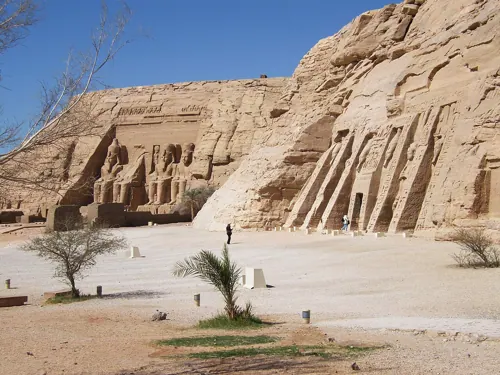
Abu Simbel
The twice-yearly solar penetration is engineered narrative: light as theology, drama and dynastic propaganda at once.
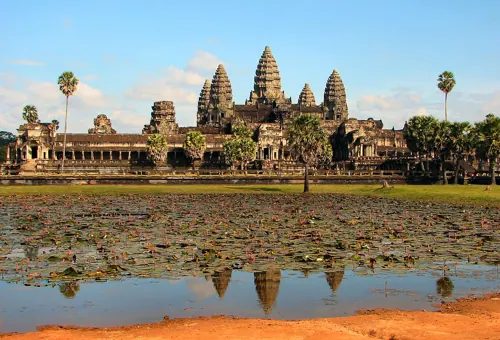
Angkor Wat
Equinox sunrise crowns the central tower; solstice sightlines link outlying temples like Phnom Bakheng.
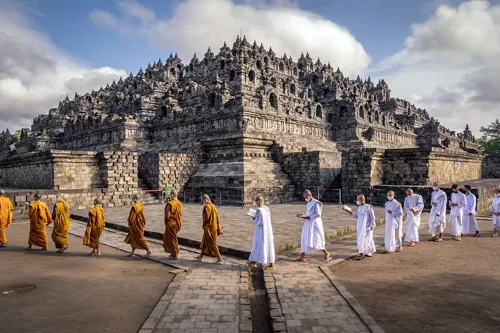
Borobudur
Gunadharma legend aside, studies suggest stupa sightlines tracked the sun and possibly Canopus.
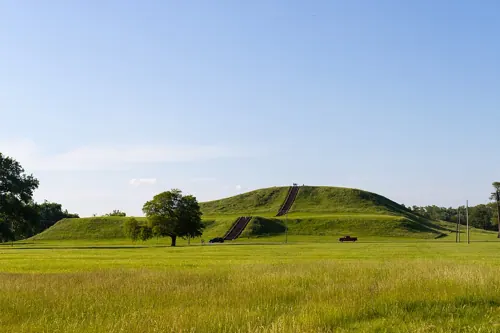
Cahokia Mounds
Woodhenge's post circle is a functioning solar calendar aligned on the equinox sunrise over Monks Mound.
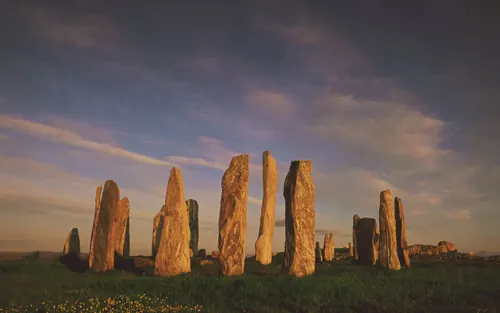
Calanais (Callanish)
The standstill spectacle is real, rare and repeatable — lunar archaeoastronomy's flagship site.
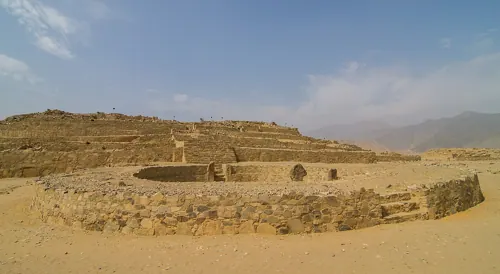
Caral
Plaza and pyramid axes track solstice lines along the Supe valley.
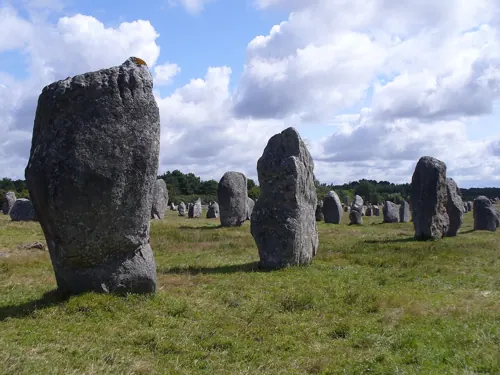
Carnac Stones
Thom's lunar-observatory model uses the Grand Menhir as a foresight for eight standstill alignments.
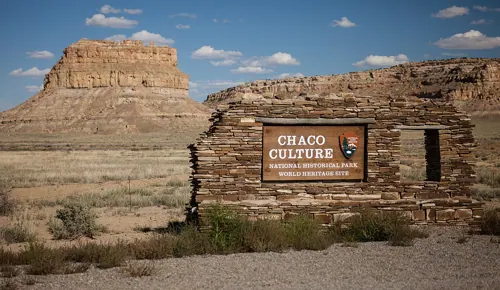
Chaco Canyon
Anna Sofaer argued the Sun Dagger tracked both the solar year and the 18.6-year lunar standstill cycle — a double calendar in a single carving.
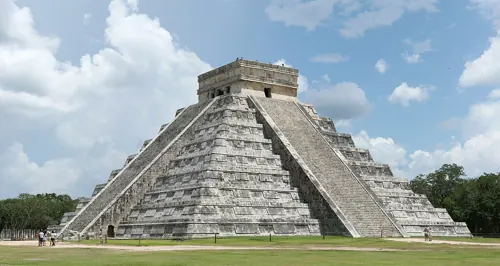
Chichén Itzá
The equinox serpent hierophany and El Caracol's Venus sightlines are among the best-documented archaeoastronomy in the Americas.
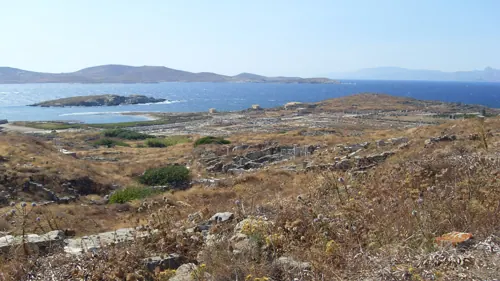
Delos
Apollo as sun god: the axis is read by proponents as a solar path fossilised in sanctuaries.
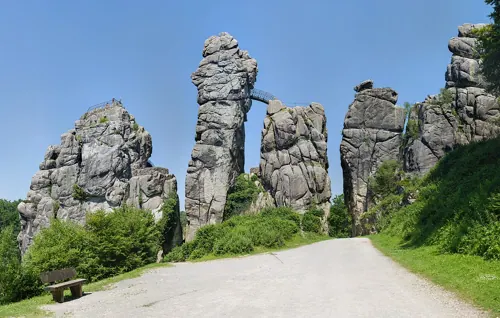
Externsteine
The solstice window is measurable; intent is likely for the medieval chapel, debated for earlier use.
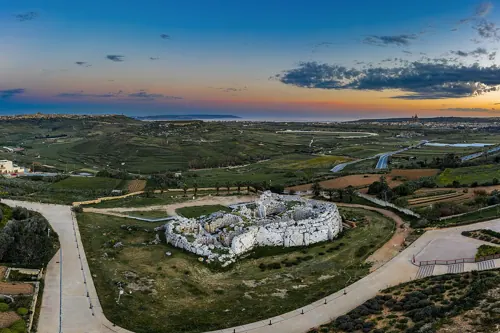
Ġgantija & the Malta Temples
Mnajdra's equinox/solstice light events are precise enough to function as a stone calendar.
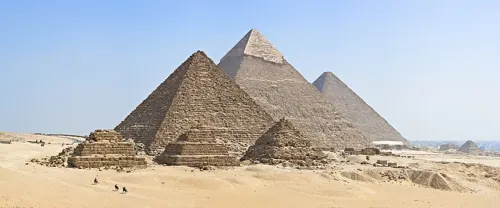
Giza Pyramid Complex
Aligned to true north within 3/60ths of a degree; the Orion Correlation Theory (Bauval) maps the three pyramids to Orion's Belt.
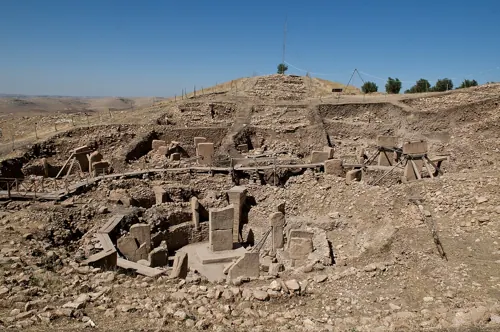
Göbekli Tepe
Contested claims link Pillar 43 (the 'Vulture Stone') to the Younger Dryas comet and to Sirius or Cygnus sightlines.
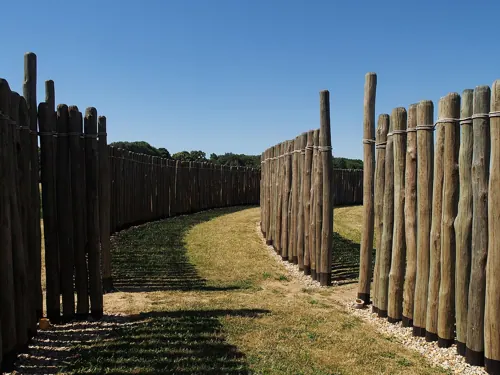
Goseck Circle
The winter-solstice gate geometry is precise and accepted — foundational evidence that Neolithic Europe systematically watched the sky.
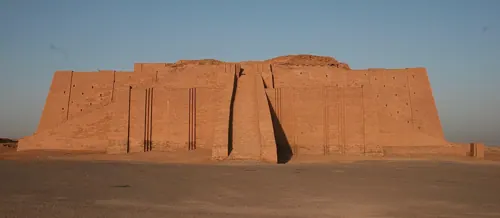
Great Ziggurat of Ur
Dedicated to the moon; its corners, not faces, point cardinal — a Mesopotamian convention distinct from Egypt's.
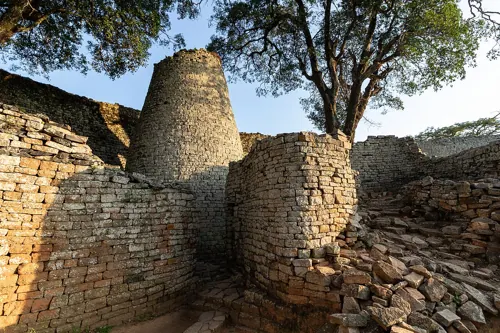
Great Zimbabwe
Richard Wade and others have proposed the eastern enclosure's monoliths tracked stars including a possible supernova — contested but intriguing.
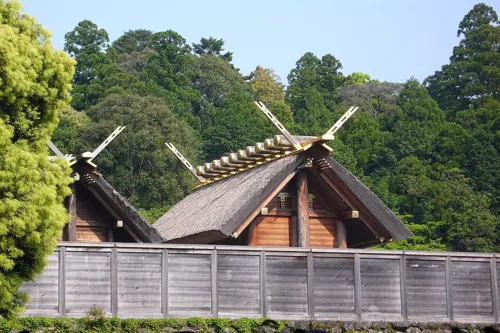
Ise Grand Shrine
Amaterasu is the sun itself; the shrine's rites are keyed to the solar calendar and imperial solstice rituals.
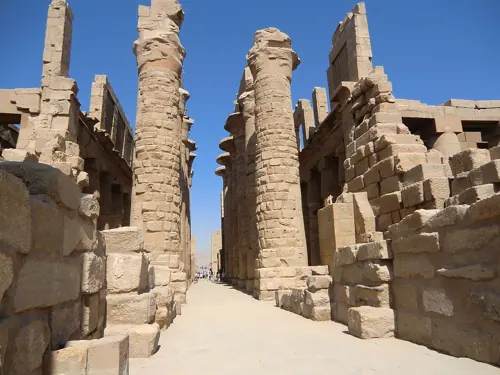
Karnak Temple
Lockyer's solstice measurements here launched the scientific study of temple alignments — though he read the axis as midsummer sunset, not midwinter sunrise.
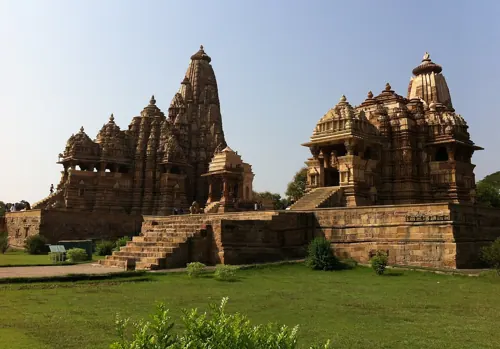
Khajuraho
Nearly all the principal temples face east to the sunrise; the Chaturbhuja temple is the noted exception.
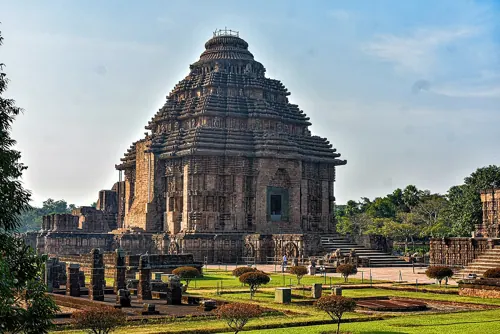
Konark Sun Temple
An observatory disguised as a vehicle: the timekeeping is built into the ornament rather than bolted on.
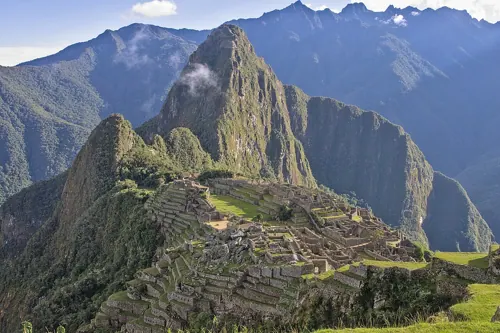
Machu Picchu
Solstice windows, the Intihuatana gnomon, and cave alignments make it a functioning solar observatory.
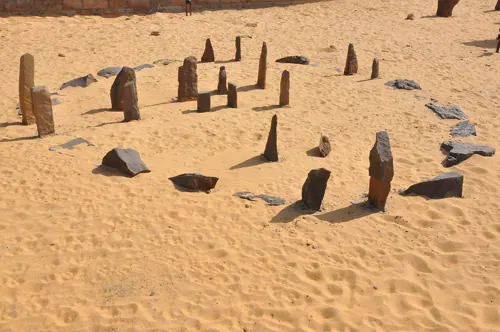
Nabta Playa
Solstice gates at 6,000+ years old — mainstream and revolutionary at once.
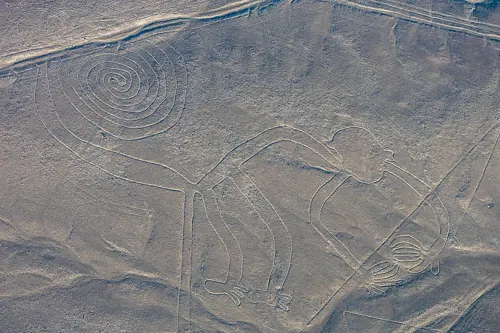
Nazca Lines
Paul Kosok and Maria Reiche argued some lines marked solstice points on the horizon (Kosok also proposed Pleiades risings), and Reiche read the monkey as the Big Dipper; later writers mapped the spider to Orion — though Hawkins and Aveni found no statistically significant alignments overall.
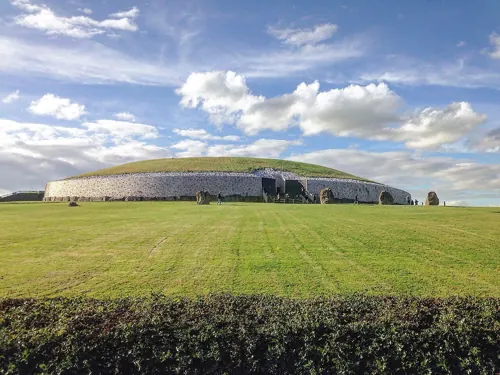
Newgrange
The roof-box is one of the most precise and undisputed astronomical devices of the Neolithic world.
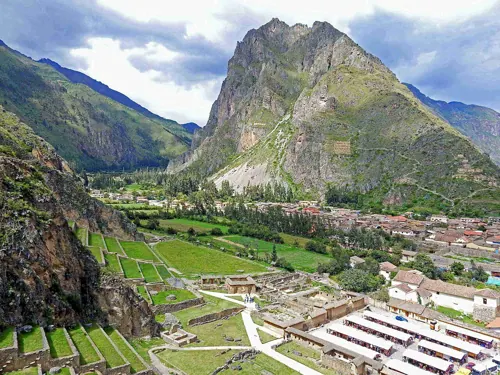
Ollantaytambo
The June solstice sun rises through a notch on the horizon aligned with the temple's principal axis.
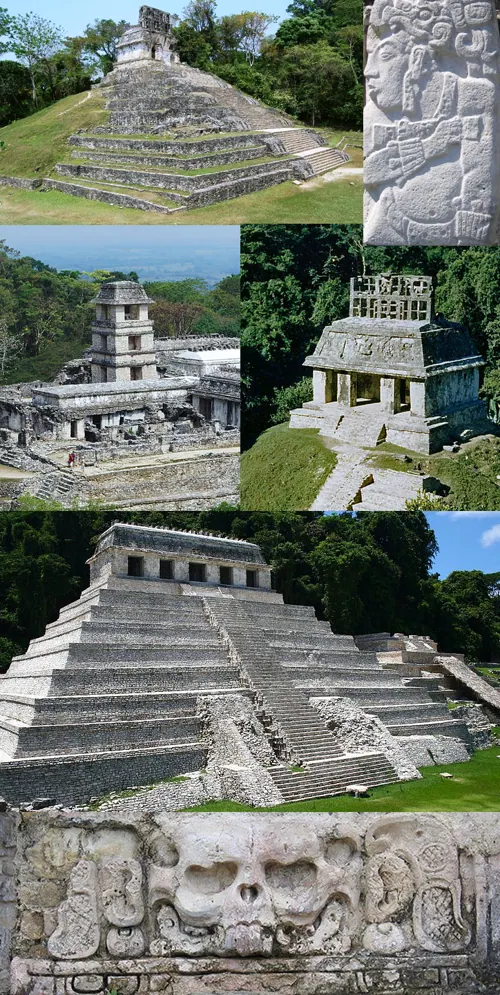
Palenque
Solar hierophanies link the Cross Group temples in a triadic solstice conversation.
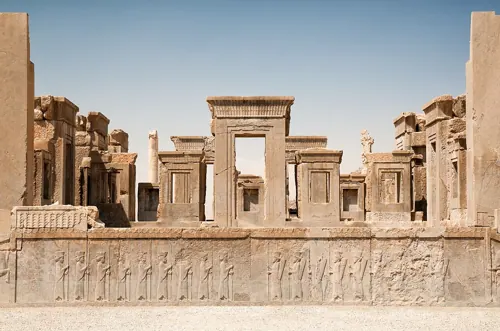
Persepolis
The equinox/Nowruz alignment hypothesis ties imperial ritual to the solar year — appropriate for a solstice-to-equinox empire of light-worship.
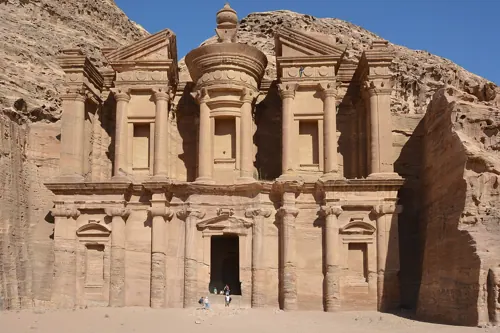
Petra
Belmonte's surveys found systematic solstice orientations in the Monastery, Urn Tomb and Zibb Atuf obelisks.
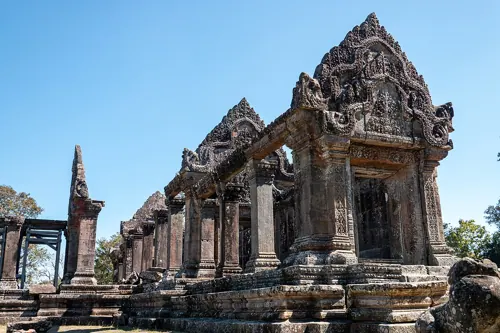
Preah Vihear
The staged north-to-south ascent choreographs the pilgrim's horizon — architecture directing the eye to sky.

Rapa Nui (Easter Island)
Ahu Tongariki's moai face the June (winter) solstice sunset; several ahu encode solstice/equinox lines.
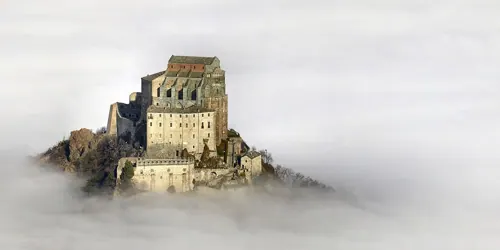
Sacra di San Michele
The line's bearing is claimed to match the sunset on the feast-adjacent solstice — the sword 'struck' by the midsummer sun.
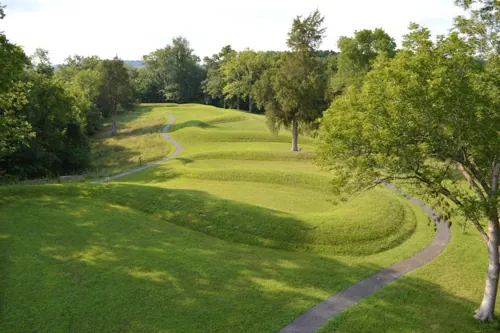
Serpent Mound
Head-to-solstice alignment is measured and real; the egg may be the sun being swallowed.
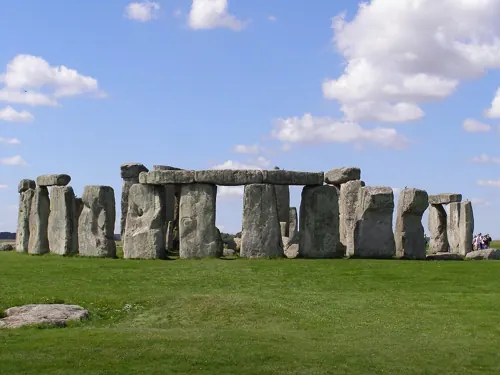
Stonehenge
Gerald Hawkins' 'Stonehenge Decoded' (1965) argued it is a Neolithic eclipse computer using the 56 Aubrey Holes.
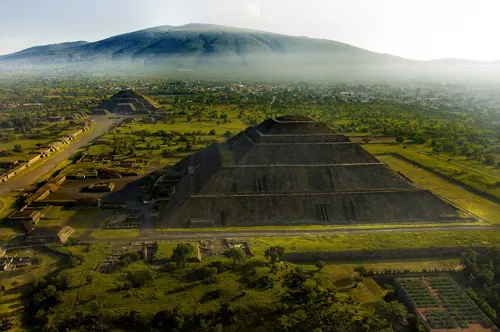
Teotihuacán
The city's east–west axis, perpendicular to the Avenue of the Dead, faces sunset on about 30 April and 13 August — the August date some researchers tie to the Long Count's creation date of 3114 BCE.
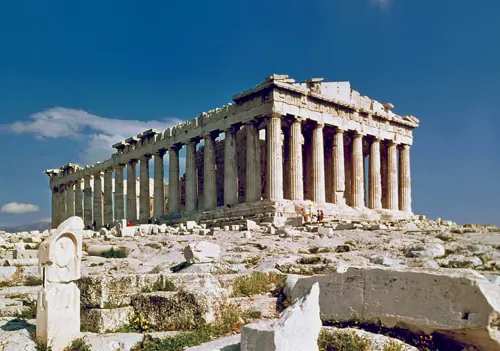
The Acropolis & Parthenon
Some archaeoastronomers argue it was oriented to sunrise on an Athena festival date, with possible sightlines to the Hymettos horizon — a reading still debated.
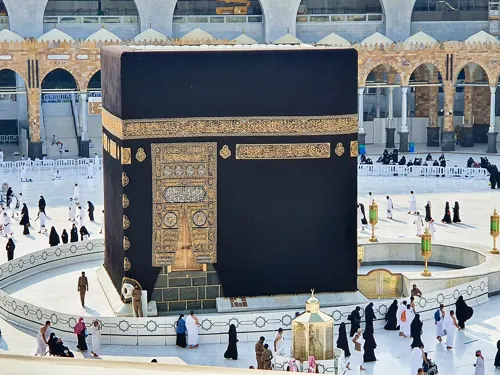
The Kaaba, Mecca
The Kaaba's minor axis points toward the summer solstice sunrise; its major axis toward the rising of Canopus.
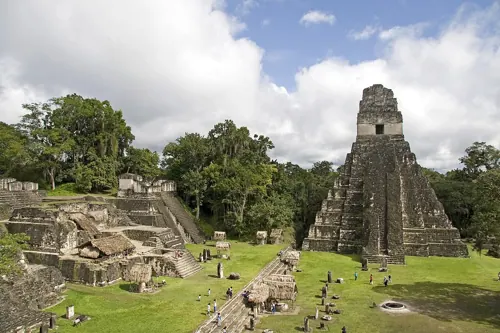
Tikal
E-Group plazas frame the sunrise at solstices and equinoxes from a single vantage pyramid.
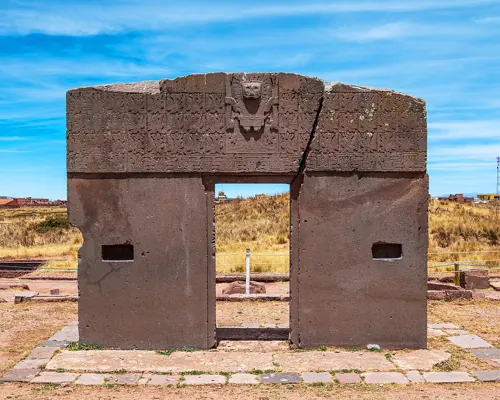
Tiwanaku & Puma Punku
The Kalasasaya platform's corner pillars mark solstice sunrises; Posnansky's obliquity argument was built on them.

Varanasi (Kashi)
Ghat rituals are keyed to solar and lunar calendars; eclipses draw the largest bathing crowds.
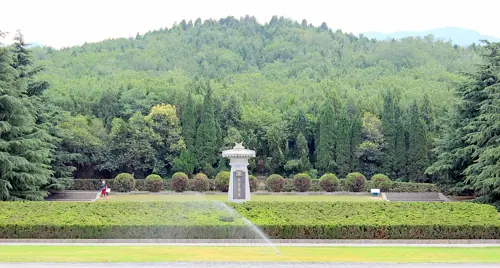
Xi'an Pyramid Mounds
Tomb alignments to cardinal points and possible pole-star shifts document Han imperial sky-mandate cosmology.
Reading list
The books that made the case, and the ones that answered it.
The founding text of Mesoamerican archaeoastronomy, revised.
E. C. Krupp · 1983ReferenceEchoes of the Ancient SkiesA planetarium director's grand tour of sky-watching monuments.
Clive Ruggles · 1999ReferenceAstronomy in Prehistoric Britain and IrelandThe rigorous, statistics-first survey of British alignments.
Links go to Amazon.
Other theories
All theories →Axis Mundi
The oldest theory on this dock — older than writing.
Resonance
The newest lens, with real laboratories behind it: archaeoacoustics.
Sacred Geometry
From Giza's φ-flirting slopes to Chartres' compass-drawn everything, sacred geometry claims certain proportions — the golden ratio, π, √2, the mandala grid — carry meaning, and that ancient builders encoded them deliberately.
Ley Lines
In 1921 Alfred Watkins looked across the Herefordshire hills and saw ancient sites falling into straight rows — 'leys', which he read as prehistoric traders' paths.
Lost World
From Plato's Atlantis to Graham Hancock's 'Ancient Apocalypse': the idea that an advanced civilisation flourished during the Ice Age and was destroyed in the Younger Dryas cataclysm around 12,800 years ago — its survivors seeding the monument-building cultures we know.
Earth Grid
What if Earth itself has a structure — a crystalline lattice whose nodes attract sacred building?
Astronauts
Erich von Däniken's 'Chariots of the Gods?' (1968) and Zecharia Sitchin's Anunnaki made this the most famous alternative theory of all: the gods were visitors from elsewhere, and the monuments are their runways, beacons, and cargo-cult imitations built by awed witnesses.