Ancient Astronauts
Erich von Däniken's 'Chariots of the Gods?' (1968) and Zecharia Sitchin's Anunnaki made this the most famous alternative theory of all: the gods were visitors from elsewhere, and the monuments are their runways, beacons, and cargo-cult imitations built by awed witnesses. The magenta route traces the genre's classic evidence tour — Nazca's 'runways', Pakal's 'rocket', Puma Punku's 'machined' blocks, Baalbek's 'landing platform'.
no physical evidence has ever been produced, and the theory has a documented habit of underestimating human ingenuity — especially non-European ingenuity, a criticism it has never fully answered. It appears here because its founding question ('how on earth did they do this?') is the same one archaeology asks. Only the answers differ.
Draw astronauts on the globe
Opens the globe with this lens switched on across all 10 sites. Stack other lenses to see where theories agree.
10 sites in this theory
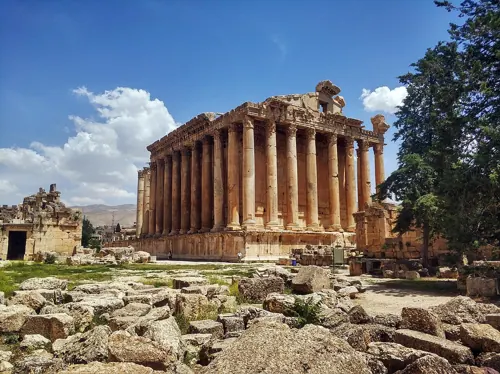
Baalbek
Sitchin cast the trilithon as a landing platform for Anunnaki craft — the largest stones on Earth explained by the largest leap in logic.
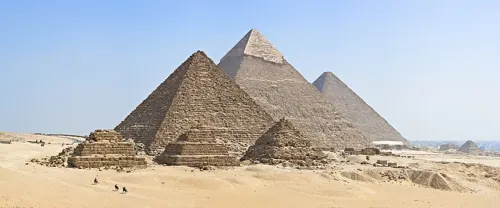
Giza Pyramid Complex
From Orion correlation to Sitchin's landing beacon: the Great Pyramid is the genre's north star.
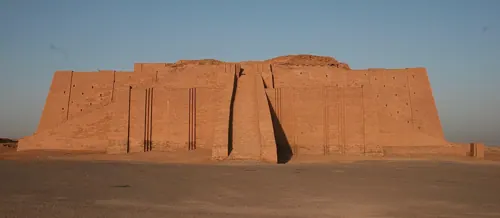
Great Ziggurat of Ur
Sitchin rooted his Anunnaki mythology in Sumer, via idiosyncratic translations of its king lists and star lore.
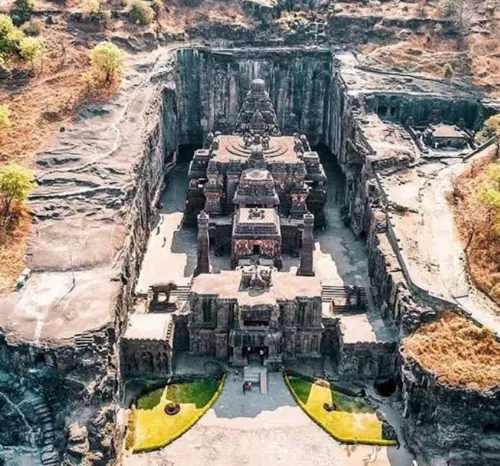
Kailasa Temple, Ellora
Ancient-astronaut writers point to the volume removed and the missing spoil as evidence of tooling we have lost.
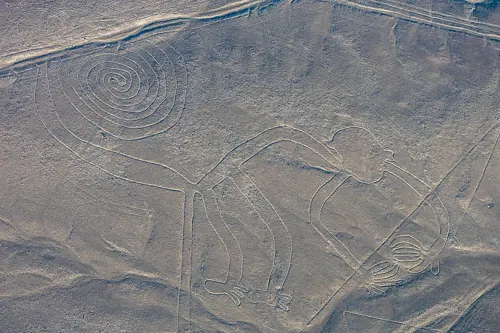
Nazca Lines
Von Däniken's 'runways' made Nazca the founding image of the genre — figures legible only from the sky, read as messages to it.
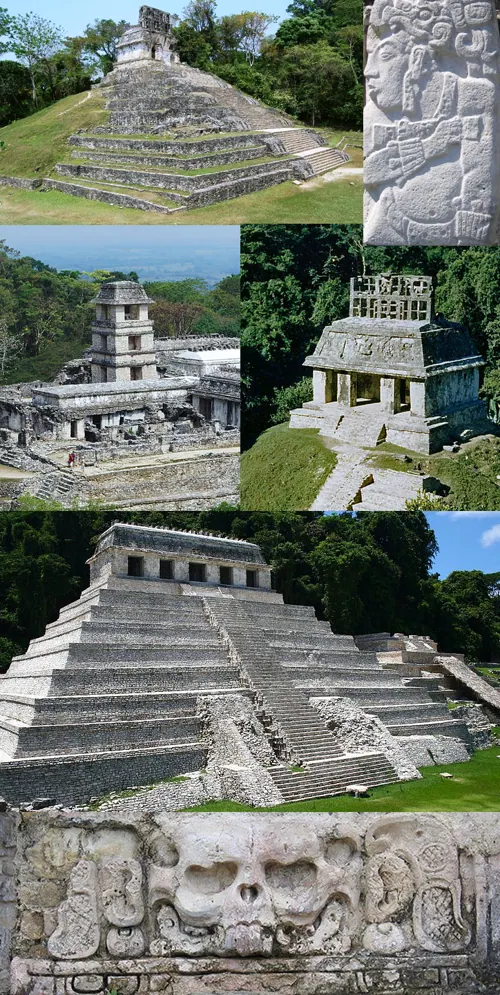
Palenque
Pakal's sarcophagus lid — a king falling into the world tree — became the most famous 'astronaut at his controls' in the literature.
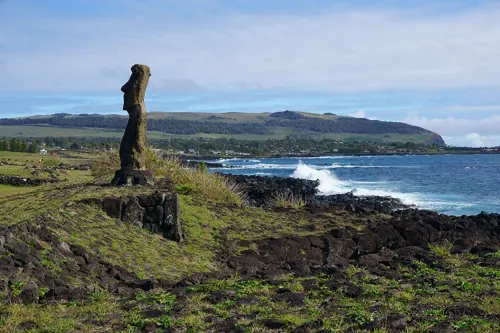
Rapa Nui (Easter Island)
Von Däniken imagined stranded visitors carving the moai while they waited for rescue.

Serpent Mound
An effigy fully legible only from the air, coiled over a genuine magnetic anomaly — enthusiasts call it a marker; archaeologists, a procession path.
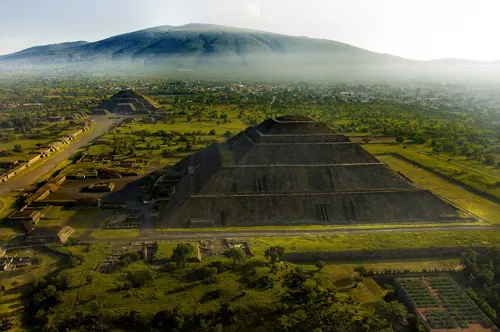
Teotihuacán
Mica sheets (an electrical insulator) layered into buildings and a river of mercury beneath a city 'where the gods were made' — the genre's favourite exhibits.
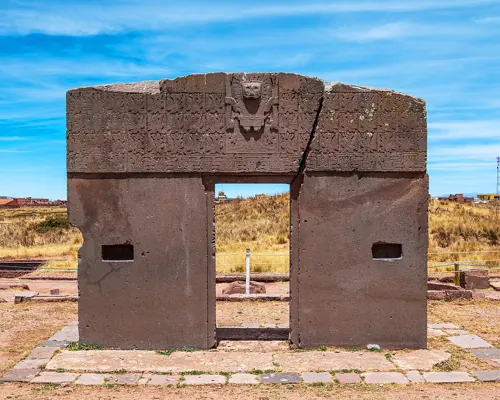
Tiwanaku & Puma Punku
Puma Punku's machine-crisp H-blocks are exhibit A in 'ancient machining' claims.
Reading list
The books that made the case, and the ones that answered it.
The founding text of the ancient-astronaut idea.
Jason Colavito · 2005The critiqueThe Cult of Alien GodsTraces the theory back to pulp fiction, and H. P. Lovecraft in particular.
Zecharia Sitchin · 1976The caseThe 12th PlanetSitchin's Anunnaki, drawn from his own readings of Sumerian texts.
Links go to Amazon.
Other theories
All theories →Sky Alignments
The lens with the deepest evidence: ancient builders demonstrably aligned their monuments to the sky.
Axis Mundi
The oldest theory on this dock — older than writing.
Resonance
The newest lens, with real laboratories behind it: archaeoacoustics.
Sacred Geometry
From Giza's φ-flirting slopes to Chartres' compass-drawn everything, sacred geometry claims certain proportions — the golden ratio, π, √2, the mandala grid — carry meaning, and that ancient builders encoded them deliberately.
Ley Lines
In 1921 Alfred Watkins looked across the Herefordshire hills and saw ancient sites falling into straight rows — 'leys', which he read as prehistoric traders' paths.
Lost World
From Plato's Atlantis to Graham Hancock's 'Ancient Apocalypse': the idea that an advanced civilisation flourished during the Ice Age and was destroyed in the Younger Dryas cataclysm around 12,800 years ago — its survivors seeding the monument-building cultures we know.
Earth Grid
What if Earth itself has a structure — a crystalline lattice whose nodes attract sacred building?