Temples
20 ancient temples across 12 countries, from Karnak Temple (2,000 BCE) to Vittala Temple, Hampi (1500 CE), and the theories that connect them.
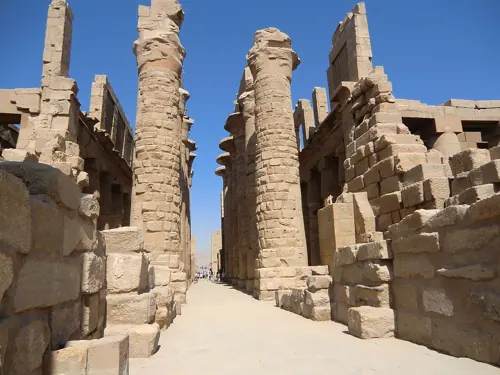
Karnak Temple
The largest religious complex of the ancient world, its axis threaded to the midwinter sunrise.
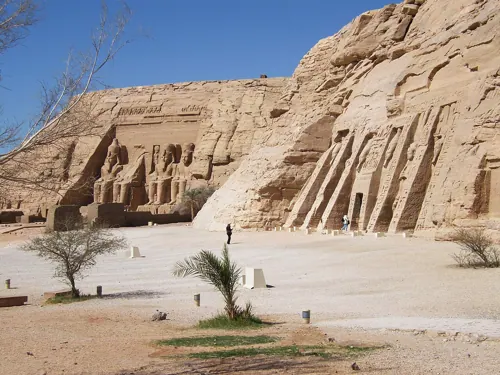
Abu Simbel
Twice a year, the sun crawls 60 metres into the mountain to wake three of four seated gods.
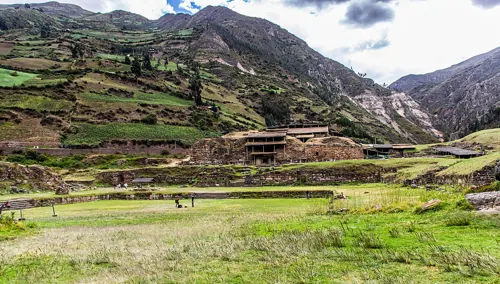
Chavín de Huántar
An oracle of stone corridors engineered to disorient — with roaring water, darkness, and a smiling god.
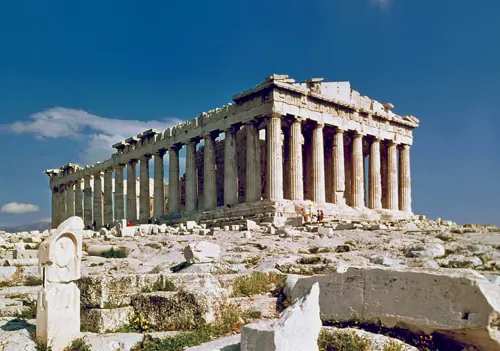
The Acropolis & Parthenon
Mathematics wearing marble: a temple with almost no straight lines, built to look perfectly straight.
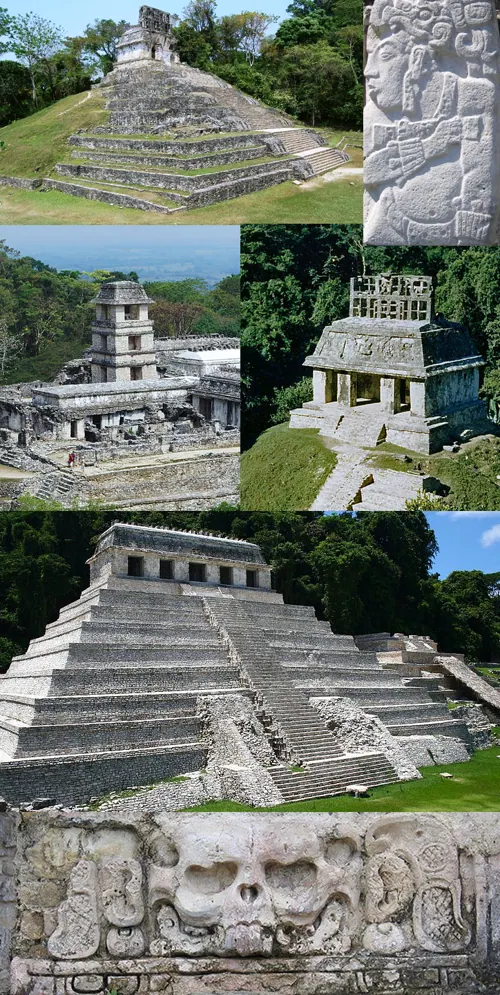
Palenque
The tomb lid of Pakal the Great — a king falling into the world tree, or an astronaut at his controls.
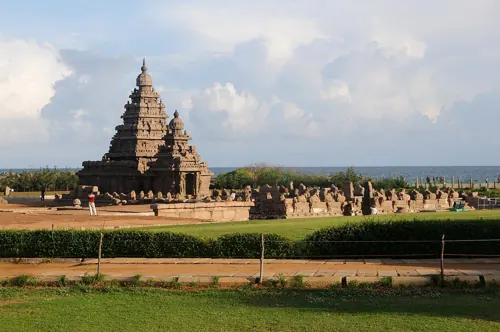
Mahabalipuram
Five temples cut from five boulders, abandoned before any of them was finished.
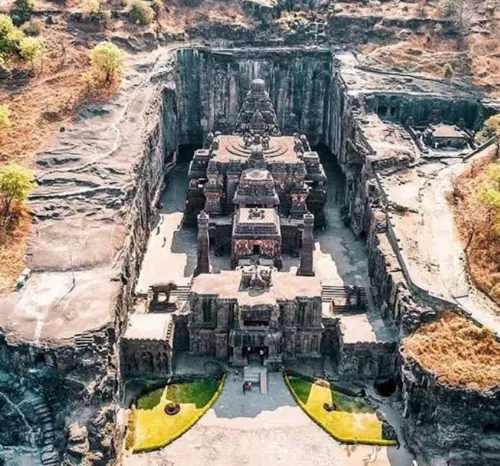
Kailasa Temple, Ellora
Not built but excavated — a temple quarried downward out of a hillside, where everything you see is what was left behind.
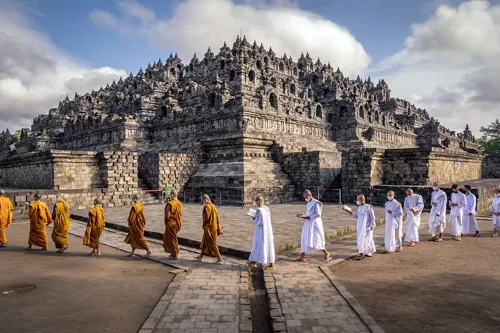
Borobudur
A mountain of two million stones you read with your feet — the path to enlightenment as architecture.
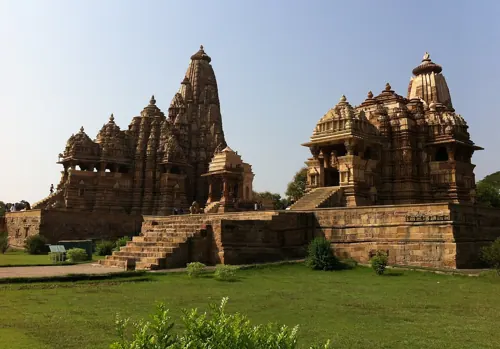
Khajuraho
Temples as mountain ranges of carved humanity — geometry below, ecstasy in the middle, gods above.
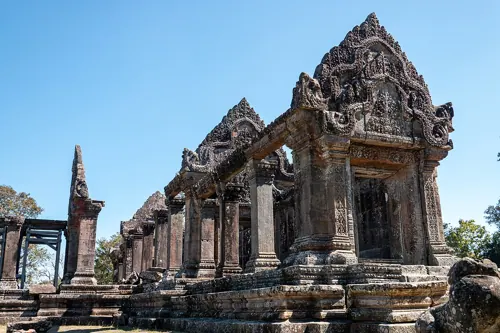
Preah Vihear
A temple stretched along a clifftop like a sentence read toward the sky.
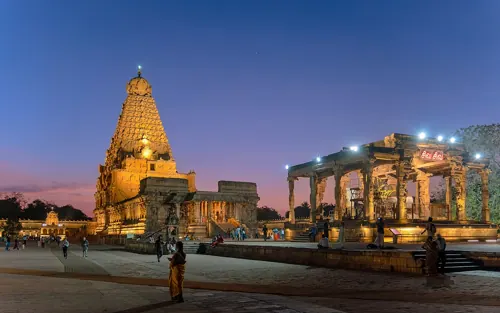
Brihadeeswarar Temple
Sixty-six metres of dry-laid granite, finished in seven years, with eighty tonnes of stone on top.
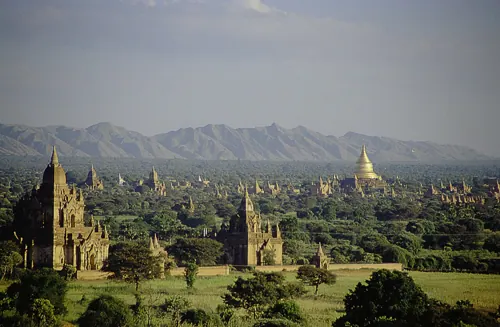
Bagan
Two thousand temples on one river plain — a skyline of merit made brick.
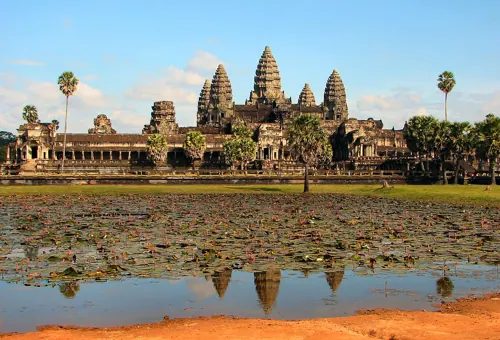
Angkor Wat
The largest religious monument on Earth — Mount Meru rebuilt in stone, wrapped in a sea-sized moat.
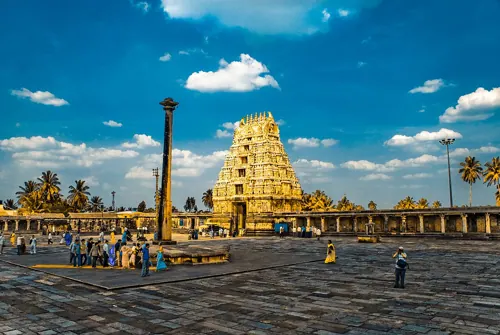
Chennakeshava Temple, Belur
Soapstone turned on a lathe in the twelfth century, and one pillar mounted so it could be spun.
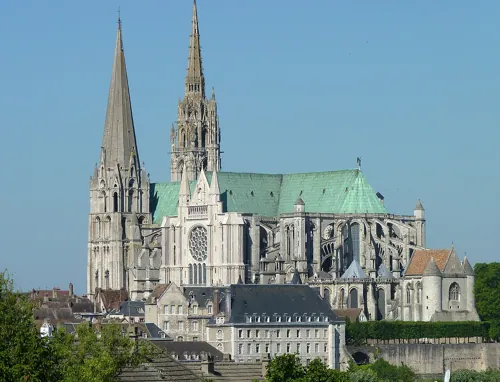
Chartres Cathedral
Gothic geometry at full power, built over a grotto the druids were said to have venerated.
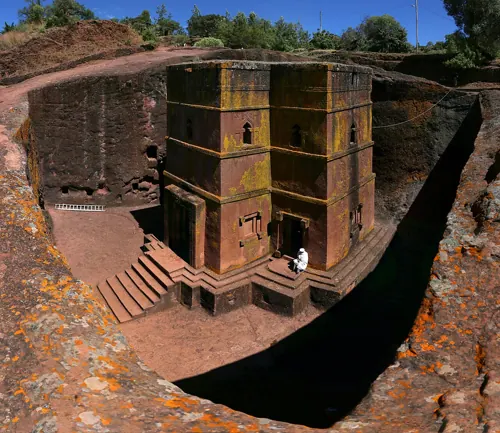
Lalibela
Eleven churches carved downward into living rock — a New Jerusalem built, legend says, with angels on the night shift.
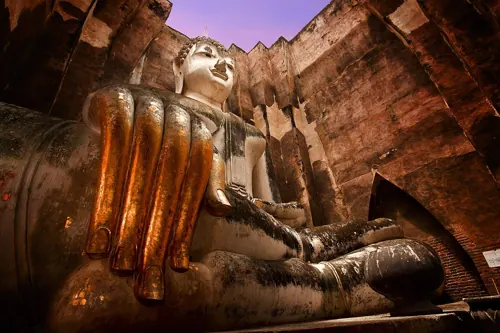
Sukhothai
'The dawn of happiness' — the first Thai capital, where walking Buddhas seem to breathe in stone.
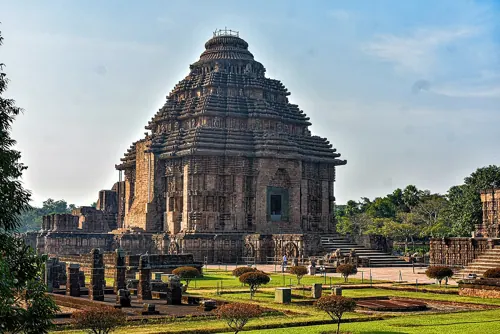
Konark Sun Temple
A chariot for the sun, cut in stone, with twenty-four wheels that keep time.
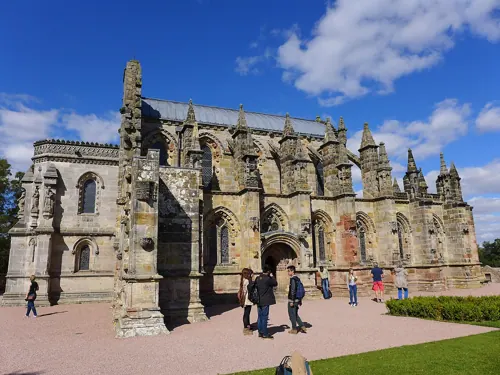
Rosslyn Chapel
A stone codex of green men, corn cobs and carved 'cubes' that some hear as frozen music.
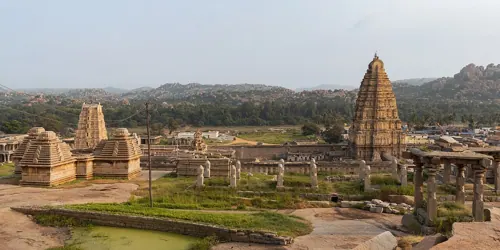
Vittala Temple, Hampi
Fifty-six granite pillars in one hall, each cut to sound a different note.