Megaliths
14 ancient megaliths across 11 countries, from Göbekli Tepe (9,500 BCE) to Sacsayhuamán (1450 CE), and the theories that connect them.
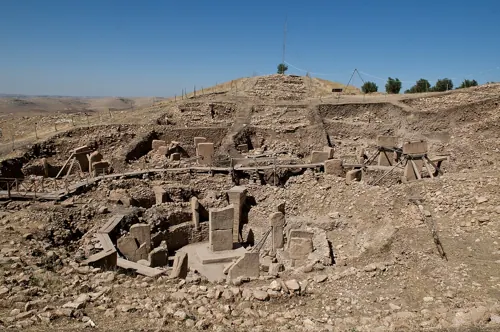
Göbekli Tepe
The site that broke the timeline: monumental enclosures before farming, raised by 'hunter-gatherers' nearly twelve thousand years ago.
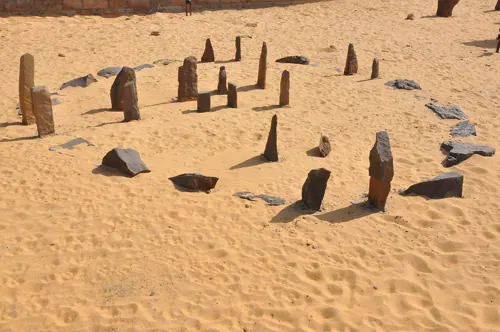
Nabta Playa
A calendar circle in the Sahara that watched the solstice sun two thousand years before Stonehenge.
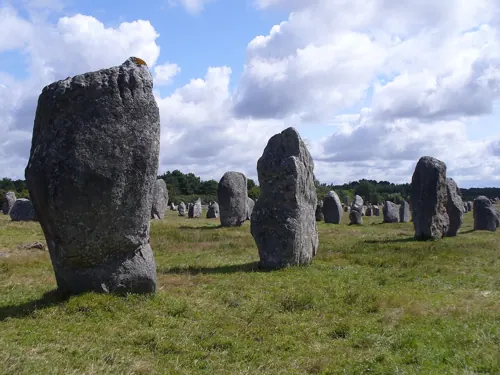
Carnac Stones
Three thousand standing stones marching in parallel rows toward the sunrise — Europe's largest megalithic array.
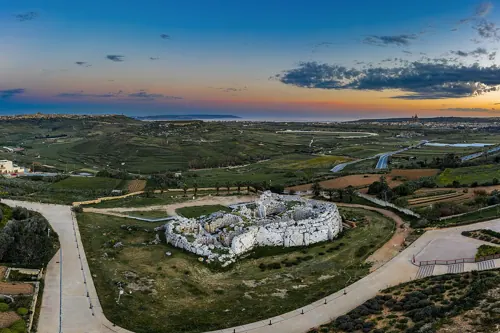
Ġgantija & the Malta Temples
Among the oldest free-standing buildings on Earth, raised — said the Gozitans — by a giantess with a baby on her hip.
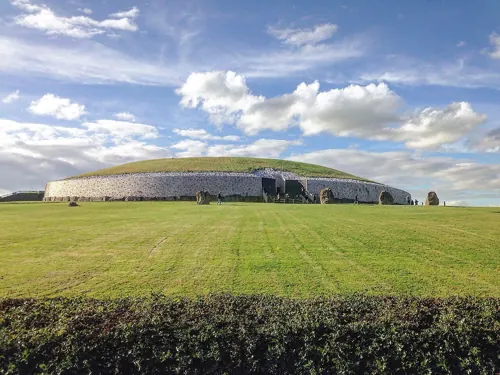
Newgrange
Older than the pyramids: for seventeen minutes at winter solstice, the dead receive the sun.
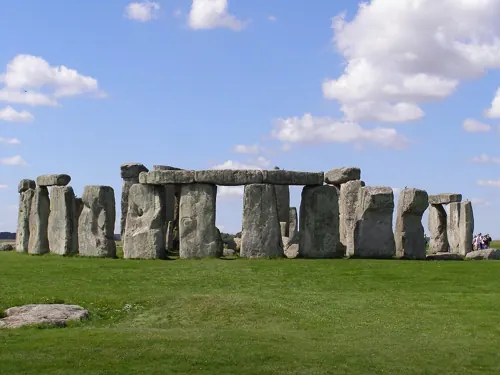
Stonehenge
The world's most famous stone circle — a solstice machine whose bluestones travelled 240 kilometres.
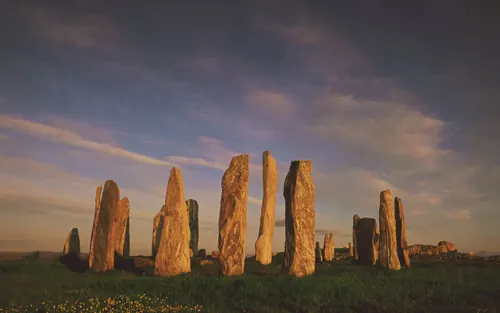
Calanais (Callanish)
A Celtic cross of standing stones raised 3,000 years before Christianity, tuned to the moon's slowest dance.
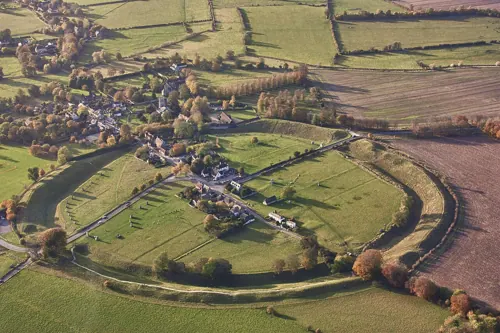
Avebury
A stone circle so vast an entire village sits inside it.
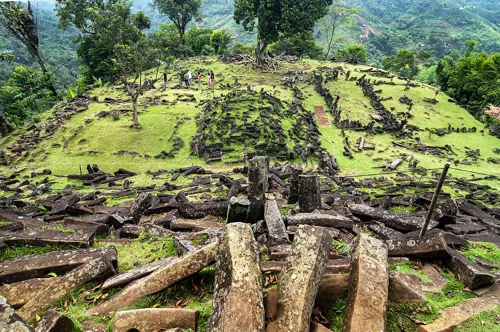
Gunung Padang
A terraced hill of basalt columns that one team claims hides the world's oldest pyramid.
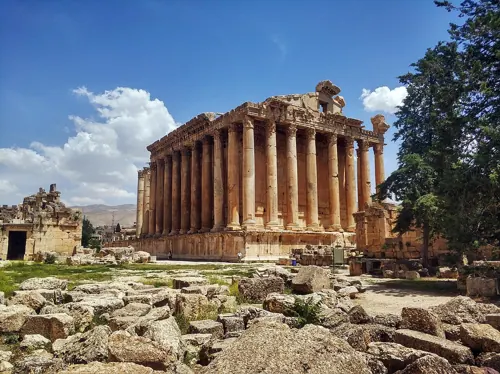
Baalbek
Home of the trilithon: three quarried stones of 800 tonnes each — and a fourth, still in the quarry, over 1,000.
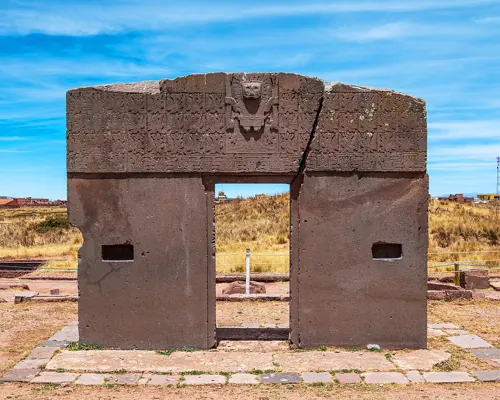
Tiwanaku & Puma Punku
H-shaped blocks machined with interior right angles, four kilometres above the sea.
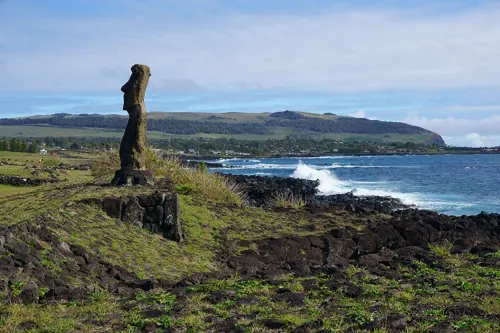
Rapa Nui (Easter Island)
Nearly a thousand stone ancestors stare inland from the world's most isolated inhabited island.
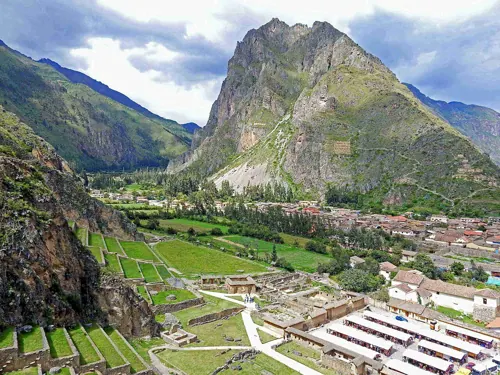
Ollantaytambo
Six pink porphyry monoliths stand on a terrace reached only by hauling them across a river and up a mountain.
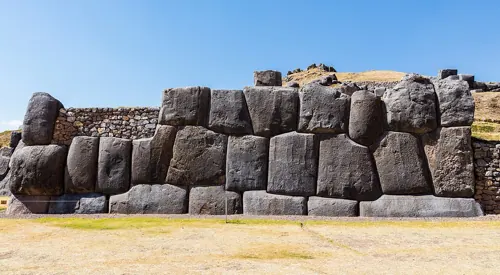
Sacsayhuamán
Zigzag ramparts of giant stones — the largest over 120 tonnes — fitted so tightly a blade of grass cannot pass between them.