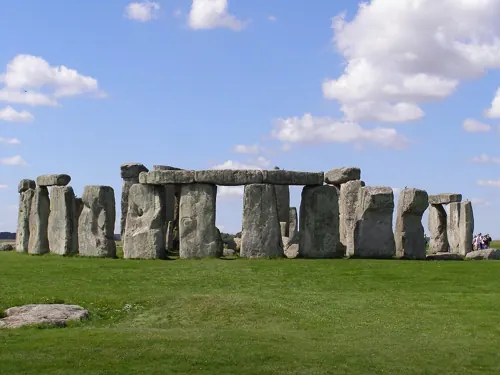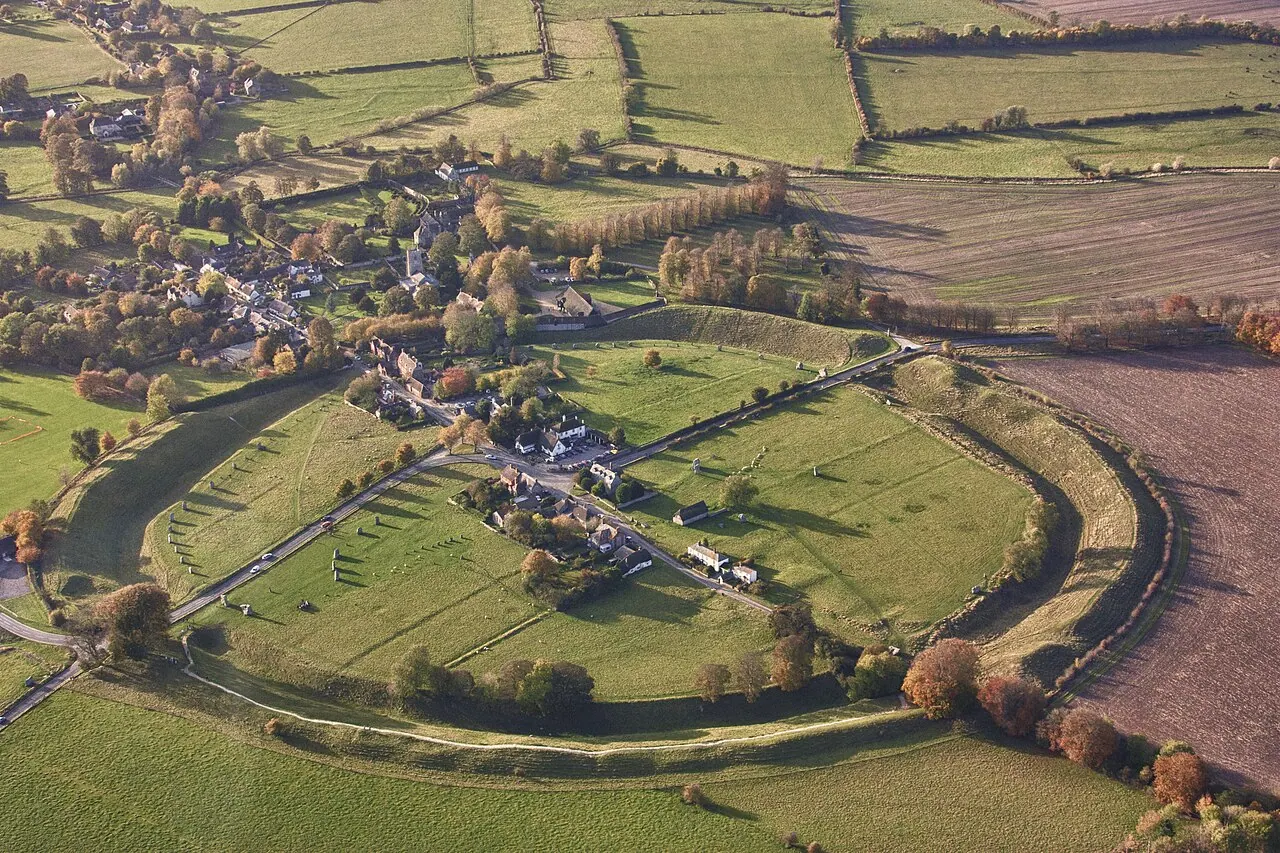
Avebury's outer circle — the largest in the world — encloses 11.5 hectares within a ditch that was once 9 metres deep, dug with antler picks in chalk. Two inner circles, avenues of paired stones, and the enigmatic 30-plus-metre mound of Silbury Hill nearby form a single ritual landscape. William Stukeley saw the whole complex as a serpent passing through a circle; John Michell made it the heart of his ley-line revival.
See Avebury on the globe
Opens with the Sacred Geometry lens on, so you can see what it connects to.
Notable facts
- Silbury Hill, adjacent, is the largest prehistoric man-made mound in Europe — its purpose unknown, no burial found.
- Many stones were buried or smashed in medieval piety; a man known as the 'barber-surgeon' was found beneath one — once thought crushed, though re-examination suggests he was buried there instead.
- The West Kennet Avenue's paired stones alternate 'pillar' and 'lozenge' shapes, read by some as male/female.
Through the theories
How each theory reads Avebury. Follow a theory to see its verdict and every other site it claims.
Sacred GeometryA spectrum
Michell's 'Dimensions of Paradise' derives a canon of sacred number from Avebury's circle geometry.
Ley LinesMostly chance
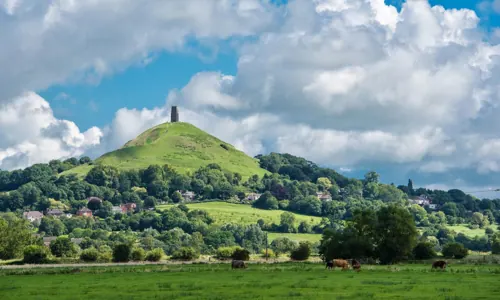
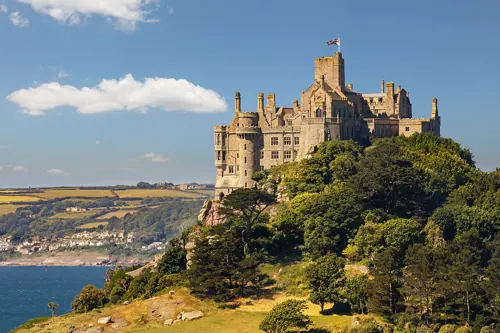
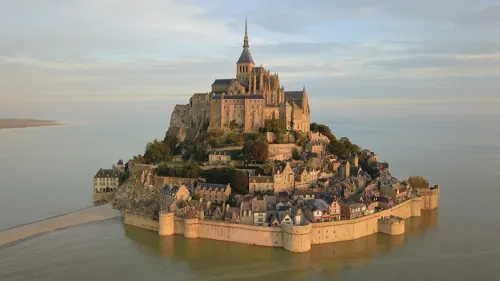
Central node of the 'St Michael Line' proposed by John Michell — a 350-mile alignment from Cornwall to the Norfolk coast passing through Avebury and Glastonbury.
Earth GridNo measurable evidence
Dowsers Broadhurst and Miller traced intertwining 'Michael' and 'Mary' energy currents crossing here.