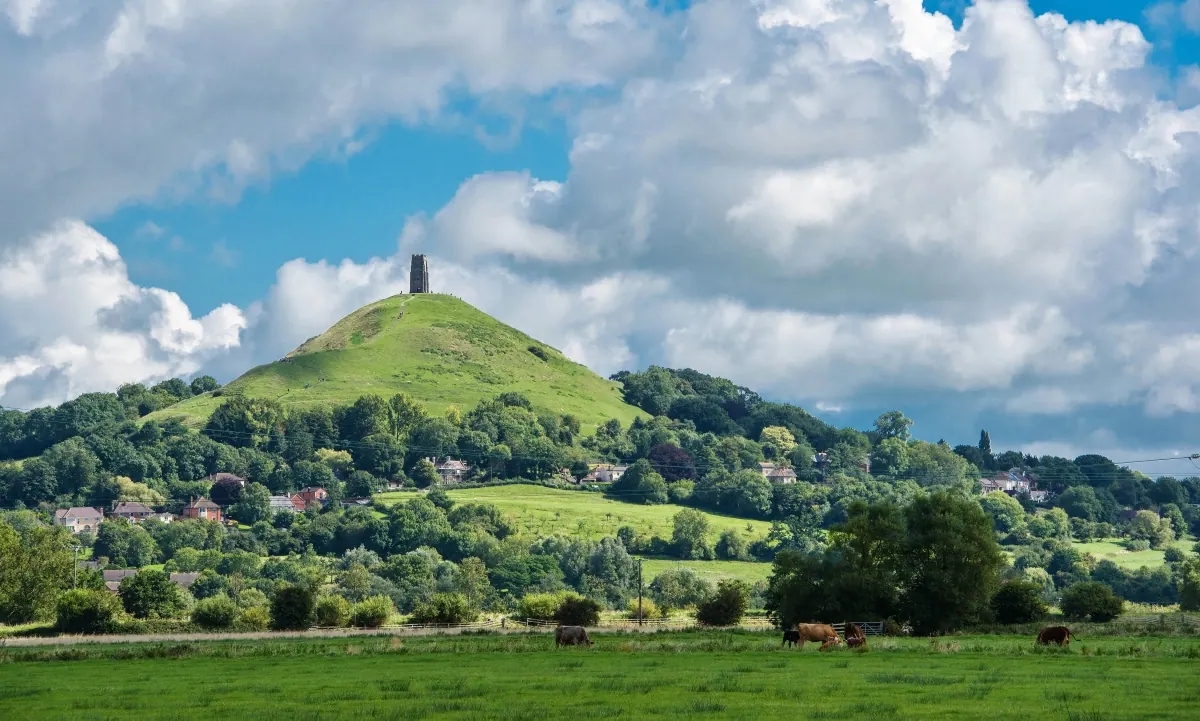
The Tor's stepped terraces may be medieval field strips or, as some argue, a vast three-dimensional labyrinth walked by pilgrims. Once nearly surrounded by marsh and water, it accumulated the mythology of Avalon: the resting place of Arthur, the hiding place of the Grail, the entrance to the fairy underworld of Gwyn ap Nudd. St Michael's tower, all that remains of a 14th-century church, crowns the summit.
See Glastonbury Tor on the globe
Opens with the Sacred Geometry lens on, so you can see what it connects to.
Notable facts
- A 1191 'discovery' of Arthur and Guinevere's grave at Glastonbury Abbey was likely a fundraising hoax — and worked brilliantly.
- The terraces, if read as a labyrinth, form a classical seven-circuit Cretan pattern.
- The Chalice Well at its foot runs red with iron-rich water year-round.
Through the theories
How each theory reads Glastonbury Tor. Follow a theory to see its verdict and every other site it claims.
Sacred GeometryA spectrum
Katharine Maltwood's 'Glastonbury Zodiac' (which she said she discovered in 1925; published 1934) claimed a 10-mile wheel of landscape effigies surrounds the Tor.
Ley LinesMostly chance
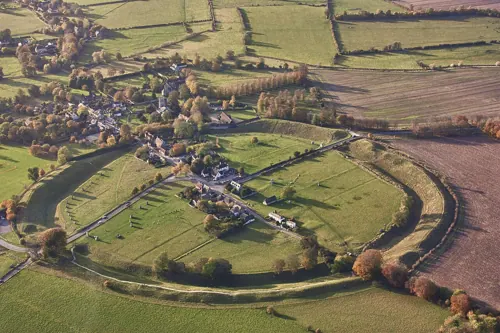
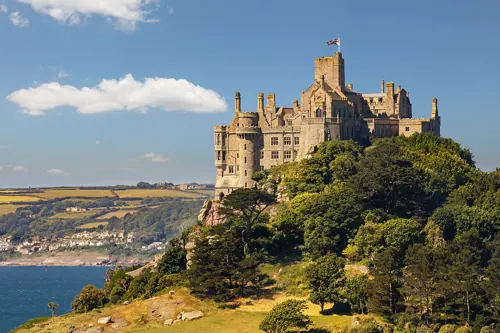
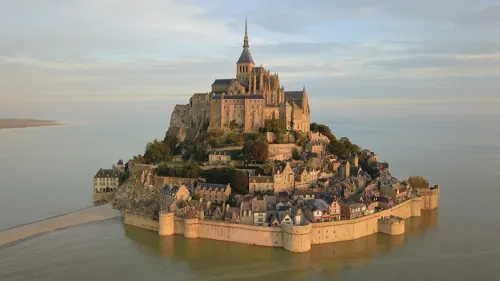
A principal station on Michell's St Michael Line between Avebury and St Michael's Mount.
Earth GridNo measurable evidence
The archetypal 'earth energy' site of British alternative tradition; the Michael/Mary currents are said to spiral around the Tor itself.